


If you’ve ever flipped a supplement bottle over and felt immediately overwhelmed, you’re not alone. Tiny fonts, long ingredient lists, unfamiliar terms can make you feel like you need a science background just to know what you’re putting in your body.
The good news? You don’t.
With a few simple principles, you can learn how to read a supplement label confidently—and make choices that actually support your health.
Start With the Supplement Facts Panel
This is the standardized box required on dietary supplements. It tells you:
-
Serving size
-
Amount per serving
-
% Daily Value (DV) where applicable
A higher number isn’t automatically better. What matters is whether the dose is appropriate, evidence-informed, and designed for consistent daily use.
Serving Size: What It Really Means
The serving size listed on a supplement label reflects how the product was formulated and tested—not a recommendation that more is better. Serving sizes are standardized so nutrients can be measured accurately and compared consistently. Taking more than the listed serving doesn’t necessarily improve results and may increase the chance of unwanted effects. Consistency at the recommended serving is typically the most effective approach.
Understand % Daily Value (DV)
%DV is based on general population needs, not personalized goals. For some nutrients (like vitamin D or omega-3s), the DV may not reflect optimal intake for every adult—especially those with limited sun exposure or higher activity levels.
This is where context matters more than chasing the biggest percentage.
Sugars vs Added Sugars
The "added sugars" line is required on supplement labels, when present, to help consumers understand how much sugar has been added during processing—not sugars that naturally occur in ingredients like fruit or dairy. This distinction matters because added sugars can accumulate quickly across the day, especially in beverages and flavored products. While small amounts may be used to improve taste or texture, they don’t contribute to nutritional value. Being aware of added sugars allows you to choose products that align with your health goals and avoid unnecessary extras, particularly if you’re already consuming sugar from other sources.
Look at the Ingredient List (This Is Big)
Ingredients are listed in order of weight. Fewer ingredients often mean:
-
Less filler
-
Fewer artificial colors or sweeteners
-
Easier digestion and absorption
If you don’t recognize most of the words—or the list is longer than it needs to be—that’s worth pausing.
Allergens: Why This Section Matters
The allergen statement is included to help protect people with food sensitivities or allergies. These statements aren’t meant to be alarming—they’re there so you can make informed decisions based on your own needs. If you have known allergies or sensitivities, this small section of the label is one of the most important places to look.
Watch for “Extras”
Some ingredients don’t add nutritional value but improve taste, texture, or shelf life. These aren’t always harmful, but they should be intentional and minimal.
Common things to notice:
-
Artificial dyes
-
Excess gums or thickeners
-
Added sugars
-
Proprietary blends that hide exact dosages
Transparency builds trust.
Beware of Proprietary Blends
A proprietary blend allows companies to list ingredients without disclosing how much of each is included. That makes it difficult to know whether you’re getting an effective dose—or just a sprinkle for marketing.
Clear labeling is a sign a brand respects informed consumers.
Claims: Read Carefully
Phrases like “supports,” “helps maintain,” or “contributes to” are structure/function claims. These are allowed—but they should be backed by formulation logic, not hype.
If a label promises instant results, extreme transformations, or miracle outcomes, that’s your cue to step back.
Why the fine print?
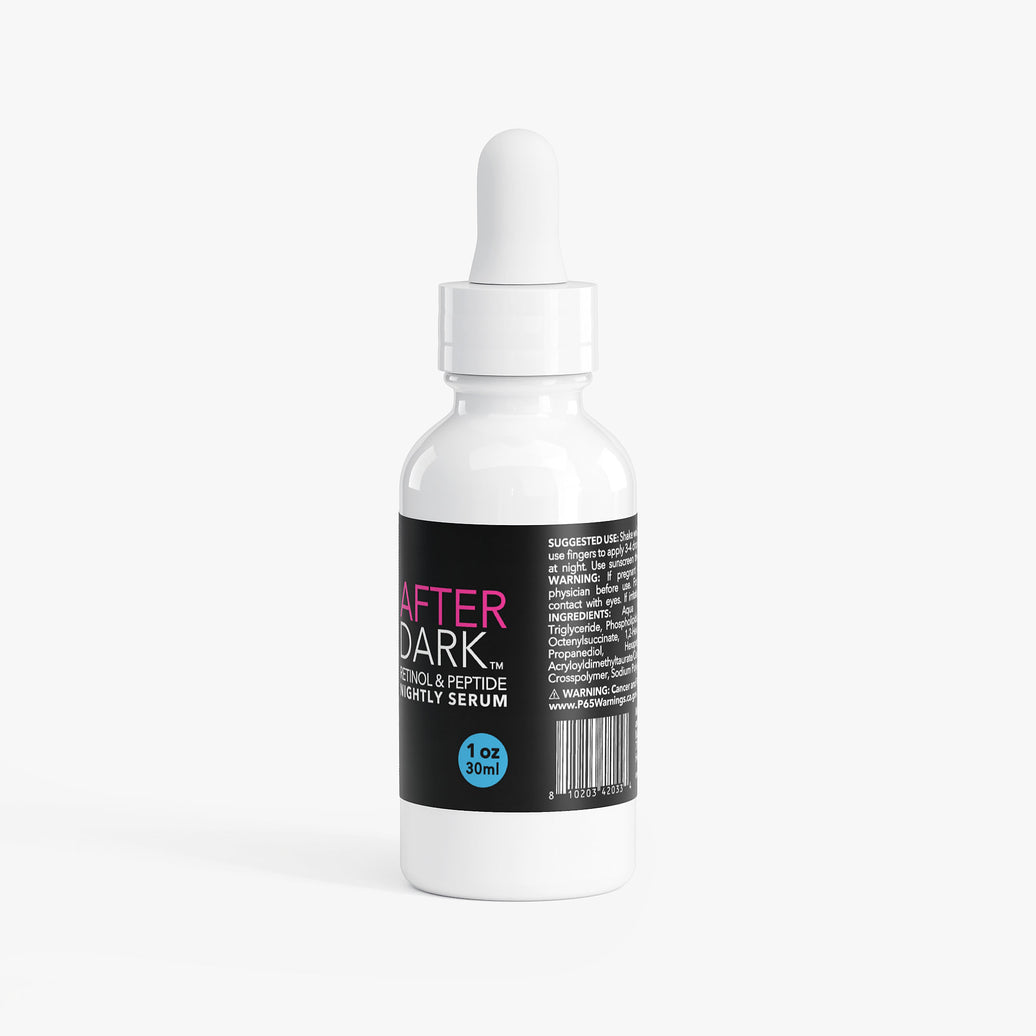
You may notice that supplement labels often use very small print. That’s not a design choice—it’s a compliance one. Dietary supplement labels are required to include a significant amount of information mandated by multiple government agencies, including ingredient disclosures, serving details, usage directions, manufacturer information, and regulatory statements.
All of that must fit on a relatively small container. While we aim for clarity and transparency, the reality is that meeting these requirements sometimes means smaller text. When possible, we encourage reviewing product details online, where we can share important benefits, a larger ingredients list and more detail about each product.
The Bottom Line
A good supplement label should make you feel informed, not confused. You deserve to know what you’re taking and why.
As you build a routine, consider products that prioritize:
-
Clear dosing
-
Minimal ingredients
-
Thoughtful formulation
Those qualities tend to support consistency—and consistency is what matters most.
Sources
-
U.S. Food & Drug Administration – Dietary Supplement Labeling Guidelines
-
NIH Office of Dietary Supplements – Understanding Supplement Labels
